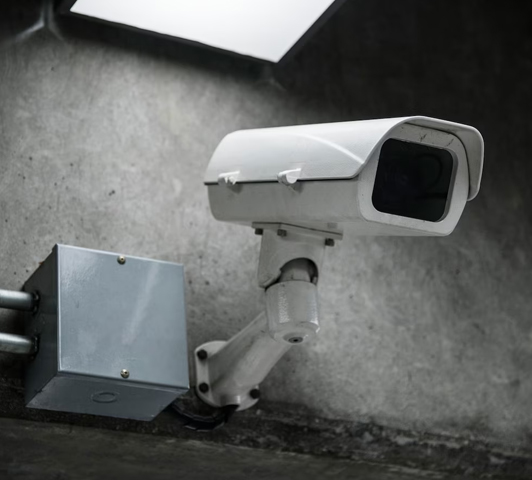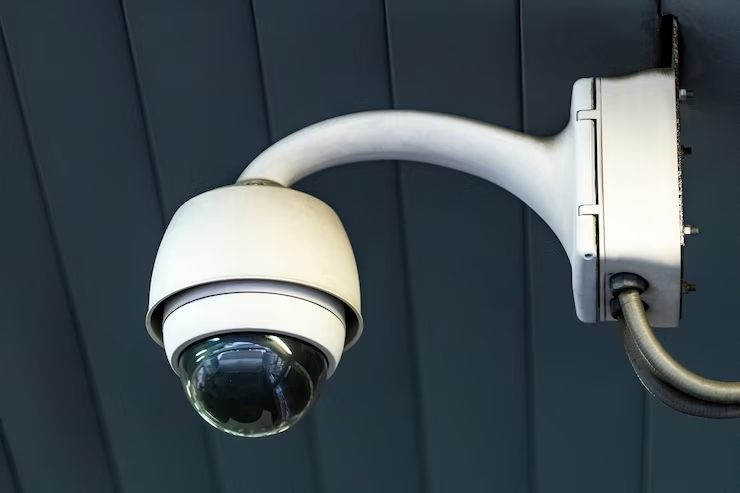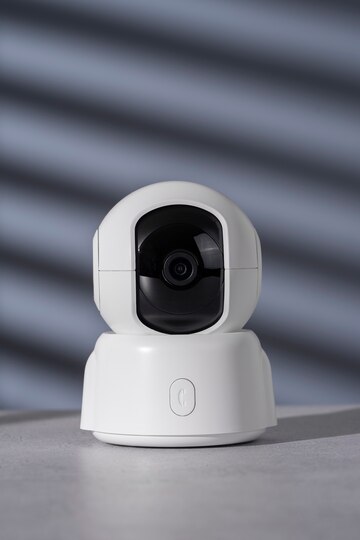
In today’s fast-changing security scene, Virtual Guard Services have emerged as a transformative solution, leveraging advanced technology to provide comprehensive surveillance and protection. However, despite their proven effectiveness, several misconceptions persist, often leading to scepticism and misinformation about their capabilities. Let’s delve deeper into these misconceptions to uncover the reality behind Virtual Guard Services.

Myth 1: Virtual Security is Less Effective than Physical On-Site Security
● Reality: Contrary to the belief that virtual security lacks the efficacy of physical guards, Virtual Guard Services harness sophisticated technologies such as AI-driven surveillance systems and real-time video monitoring. These systems, equipped with advanced analytics and machine learning algorithms, enable swift threat detection and response, often outperforming traditional security measures.
● Key Points:
- Virtual Guard Services provide continuous surveillance, eliminating blind spots common in traditional security setups.
- AI-powered systems can analyse vast amounts of data in real-time, detecting anomalies and potential security breaches proactively.
- The ability to remotely monitor multiple locations simultaneously ensures a higher level of vigilance.
Myth 2: Virtual Guard Services Are Exclusive to Large Businesses
● Reality: Virtual Guard Services cater to a diverse spectrum of security needs across various scales, from residential homes to small and large enterprises. Their scalable nature allows for adaptable solutions tailored to the specific requirements of different users.
● Key Points:
- Customizable plans and flexible pricing options make Virtual Guard Services accessible to a wide range of users.
- These services offer tailored security solutions regardless of the size or complexity of the premises.
Myth 3: Virtual Guard Services Suffer from Technical Glitches and False Alarms
- Reality: While technical issues are a possibility in any system, technological advancements in Virtual Guard Services have significantly minimised such occurrences. AI-driven algorithms have enhanced accuracy in threat identification, reducing false alarms.
Key Points:
- Continuous system monitoring and regular maintenance mitigate technical glitches.
- AI-enabled systems accurately distinguish between normal activities and potential threats, minimising false alerts.
Myth 4: Virtual Guard Services Compromise Privacy
Reality: Privacy concerns often arise regarding surveillance systems. However, Virtual Guard Services prioritise user-defined surveillance zones, respecting privacy boundaries and complying with data protection regulations.
Key Points:
- Surveillance systems focus solely on designated areas, respecting privacy zones within the premises.
- Secure encryption and restricted access ensure the confidentiality of video feeds and user data.
Myth 5: Virtual Guard Services Lack Human Oversight and Intervention
- Reality: Despite the integration of advanced technology, Virtual Guard Services incorporate human oversight, essential for prompt response and decision-making during security incidents.
Key Points:
- Trained security professionals actively monitor live feeds, providing real-time intervention when necessary.
- The synergy of technology and human intervention ensures a balanced and effective security approach.
Conclusion
By dispelling these misconceptions, we shed light on the effectiveness, adaptability, and reliability of Virtual Guard Services. Understanding their capabilities and advantages helps individuals and businesses make informed decisions to enhance their security infrastructure effectively.
The evolution of Virtual Guard Services, combining technological innovation with human expertise, represents a pivotal advancement in modern security frameworks. Embracing these advancements can fortify security measures, providing comprehensive protection in today’s dynamic security landscape.